Why do some players walk away satisfied while others chase losses into the night? That single question has guided years of study into the intersection of psychology and gambling. You see, the brain is wired to crave the thrill of uncertainty—it’s a biological trap. Success here isn’t about luck; it’s about dissecting the psychological forces driving every click and bet. This isn’t a lecture on self-control. It’s a promise: actionable insights that reveal why your mind makes the moves it does. By understanding player behavior, you can reshape your habits into something controlled and informed. The reward isn’t just winning—it’s mastering the process.
### The Dopamine Loop: Why Your Brain Loves the Game
Online gambling isn’t just about luck; it’s a masterclass in neurochemistry. **The dopamine loop** is the engine behind the thrill. Simply put, your brain releases this feel-good chemical not when you *win*, but during the *anticipation* of a win. That heart-racing moment before the roulette wheel stops? That’s the surge. The mechanism is called **variable ratio reinforcement**—a fancy term meaning the reward comes at completely unpredictable times. It’s why slot machines and sports betting are so addictive: your brain keeps firing, desperate for the next hit.
**The Near-Miss Effect: Why Close Calls Feel Like Wins**
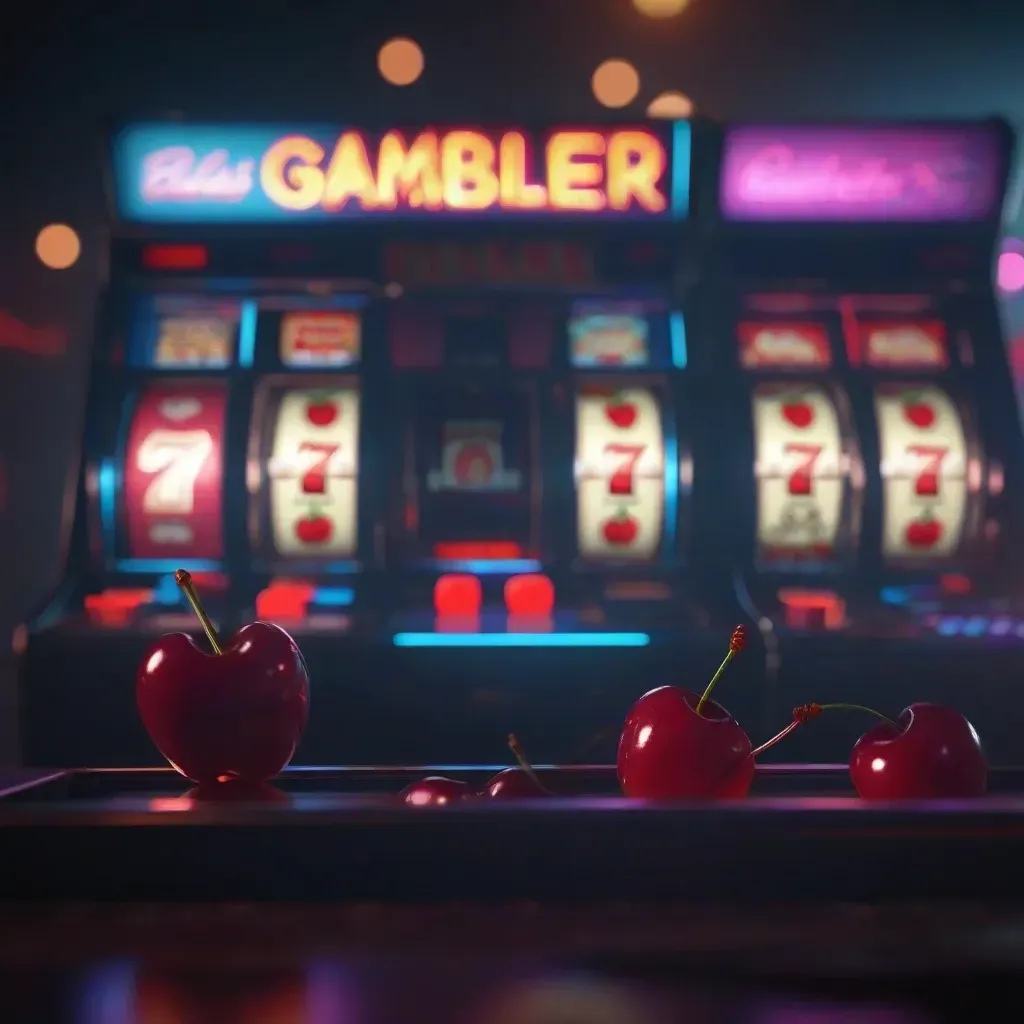
Think of a near-miss on a slot machine—two cherries and a bar instead of three. To your brain, that’s not a loss; it’s a **partial reward**. Research shows the brain processes **near-misses** as nearly identical to actual wins, triggering the same dopamine pathways. This is a design feature, not a signal to keep playing. The machine is literally telling your nervous system, “You were *so* close.” This tricks you into feeling skilled when you’re just caught in a loop. A former poker player once told me he confused this chemical rush for “reading the table.” He wasn’t reading anything—his brain was just starved for the next variable win. Understanding this loop is your first tool to step back from the edge.
2. The Illusion of Control: When Confidence Becomes a Trap
You feel in control when you click, choose bets, or time spins, but the house edge hasn’t changed. That rush of agency—the power to select a number, adjust a wager, or trigger a bonus round—is a carefully engineered mirage. Digital platforms masterfully construct this illusion of control through interactive features that make you feel like a strategist when you are, in reality, a participant in a scripted game of randomness. The interface responds to your fingertip, but the underlying algorithm remains indifferent to your decisions. This perceived control is a potent cognitive bias; it tricks the brain into believing effort influences outcomes when the odds are static. Features like customizable bets and bonus rounds fuel this mirage, making the act of betting feel less like a gamble and more like a skill. But the math hasn’t changed. Every spin, every hand, every roll is an isolated event. The danger of this illusion is that it turns a simple misjudgment into a costly trap: you start believing you can ‘outsmart’ a system that is designed to be unpredictable. The real secret? Distinguish genuine online betting strategy from the noise of perceived control. In poker, bluffs and reads matter. In slots, the rhythm is noise. A practical test: list actions that truly influence outcomes—knowing the game rules, bankroll management—versus those that don’t, like ‘feeling’ a win is due. That list is your reality check.
The Gambler’s Fallacy in Action
Consider this classic cognitive distortion: after five reds in roulette, you bet on black—but each spin is independent. The gambler’s fallacy is the perfect example of the illusion of control breaking down. It’s the desperate attempt to impose order on chaos, to find a pattern where none exists. This chasing losses cycle often springs from the hot hand fallacy—believing a streak means a change is due. The harsh truth? The wheel doesn’t remember the last spin. Use this awareness as a pause button. Before you ‘correct’ a perceived pattern, ask yourself: does this action actually change the house edge? The answer is almost always no. That moment of clarity is the difference between a player and a victim of the game’s design.
Emotional Taxation: Why Mood-Based Betting Fails
Think of your emotions like a hidden tax on your betting account. Boredom, frustration, excitement—each one takes a cut, and the fee isn’t just cash. It’s clarity. When you’re bored, you invent action where none exists. Frustration? That’s the engine for chasing losses, a downward spiral where every bet feels like a rescue mission. Excitement, meanwhile, whispers lies about your invincibility, turning small wins into a launchpad for dangerous overconfidence. These aren’t just feelings; they’re emotional triggers that degrade your judgment.
The real enemy is decision fatigue. After a long session, your brain’s ability to weigh risks crumbles. A bad bet at hour one is a mistake; at hour four, it’s a guarantee. impulse control fades under this cognitive load. The fix isn’t willpower—it’s a simple check. Before you bet, ask: Am I bored? Angry? Euphoric? If yes, walk away.
One disciplined player swears by the ’10-minute rule.’ No bet gets placed without a ten-minute pause. He steps back, makes tea, scrolls his phone. If the urge survives, he lets it die. That small gap between emotion and action is where discipline lives. Remember: every bad bet charged by your mood costs more than money—it costs your next winning streak. mood-based betting is a leaky boat; plug it with awareness.
The Role of Cognitive Load
Your cognitive load is the fuel gauge for mental effort. Cluttered platforms—flashy ads, endless pop-ups, constant notifications—drain this fuel fast. Every distraction is a tiny decision, and these accumulate, sapping the decision quality you need. A clean interface design reduces strain; it’s like a calm desk in a messy room. To protect your focus, simplify your environment: close extra tabs, mute notifications, stick to one platform at a time. This isn’t just comfort; it’s a tool for emotional regulation. Low cognitive load means your brain isn’t fighting background noise, so it can spot an emotional trigger before you pull the lever.
Building Your Personal Decision-Making Framework
Forget gut feelings. The moment you rely on “vibes” to decide your next move, you’ve already lost control. Real players—the ones who last—build a rigid, almost boring set of rules. This is your personal command center, not a suggestion box. You need explicit, unbreakable guidelines that act as a circuit breaker for your own impulses. First, set a hard time limit *before* you even open the app; a physical kitchen timer works better than a phone alarm because you can’t swipe it away. Second, define your stop-loss—the absolute maximum you’ll lose—and your win goal—the specific number where you walk away. Do not adjust them. Do not feel them out. They are dead numbers. Third, enforce a mandatory five-minute break after any big win or loss; this isn’t optional, it’s a chemical reset for your brain. Finally, the golden rule: never play two sessions in the same day. It seems simple, but it kills the “just one more” spiral.
This isn’t self-control; it’s habit engineering. Research on behavioral routines shows that writing down these rules forces your brain to override the impulsive shortcuts that drive bad decisions. Your instinct is a liar; your written framework is the truth. **Create your own three rules today**—not tomorrow, not later. Write them down now.
Tracking Your Patterns: The Feedback Loop
What gets measured gets managed. You cannot fix a behavior you refuse to see. You need a cold, objective journal—not a diary of feelings, but a log of data. Keep it simple: the date, your emotional state *before* you started (anxious, bored, excited), how long you actually played, the win or loss amount, and your emotional state *after* you stopped. This isn’t about shame; it’s about spotting your own patterns. You might notice you always lose after drinking coffee or that you chase losses when you’re tired. That’s your roadmap. This practice turns messy impulses into clean, objective data that you can actually work with.

The Future Is Conscious: Balancing Risk and Reward
The gambling landscape is shifting under our feet. We are moving past simple casinos into a wired, chaotic economy where AI gambling tools, cryptocurrencies, and even meme stocks feel like the same slot machine. The line between entertainment and addiction is getting blurry, fast. This new world demands conscious play. You cannot just bet; you must be a psychologist of your own impulses. The future of gambling is not about luck—it is about risk management. The player who understands the psychology will not be played by the system. Stay sharp, stay informed, and subscribe for deeper dives into mastering this new landscape.
Ethical Design vs. Exploitation
Not all platforms are predators. Look for signs of responsible gambling like bet limits, cool-off periods, and activity reminders. These are tools of ethical design and player protection. A tool can be used for harm or help—choose the one that supports your goals. Treat your platform selection as part of your own framework for sanity.